


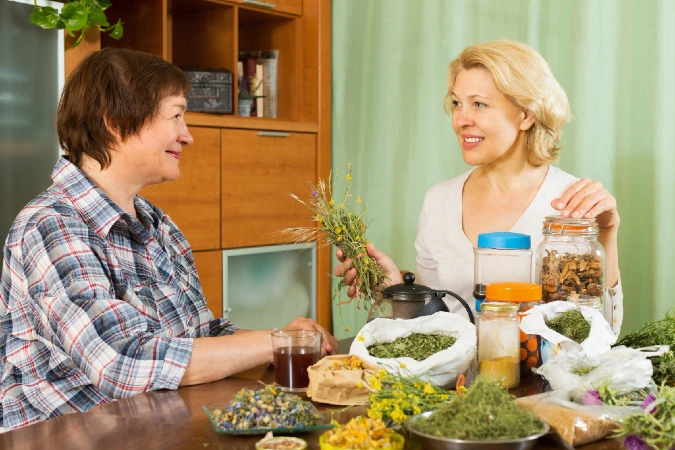
Women's health changes through different stages of life, from menstruation and reproductive years to pregnancy, postpartum recovery, and menopause. Alongside conventional healthcare, some women explore Ayurveda for a more personalized approach to diet, daily routines, stress management and traditional therapies.
Ayurveda is a traditional system of medicine that uses lifestyle practices, diet, herbal preparations and therapeutic approaches. However, evidence for Ayurvedic treatments varies by condition, and not every treatment is suitable for every person. A qualified practitioner should assess an individual's health history before recommending care.
For women in Dubai considering Ayurvedic care, the most useful starting point is understanding which areas may be discussed during a consultation, what treatments may involve, and when conventional medical evaluation is important.
Ayurvedic care traditionally takes a whole-person view of health. Rather than focusing only on one symptom, a practitioner may consider factors such as diet, sleep, stress, daily routine, activity levels, menstrual history and overall wellbeing.
This does not mean that Ayurveda should replace diagnosis or treatment from a gynecologist or other medical professional. Instead, responsible Ayurvedic care should work within a person's broader healthcare needs, particularly when symptoms are persistent, severe or unexplained.
The World Health Organization emphasizes that traditional medicine should be practiced with appropriate attention to evidence, safety, quality and qualified practitioners.
Periods can change because of many factors, including age, stress, lifestyle, hormonal changes and underlying medical conditions. Ayurvedic consultations may discuss concerns such as painful periods, irregular cycles or discomfort around menstruation.
The focus may include dietary habits, daily routines, stress management and traditional Ayurvedic therapies where considered appropriate.
If periods become unusually heavy, very painful, suddenly irregular or are accompanied by other concerning symptoms, medical evaluation is important rather than relying only on home remedies.
Hormonal concerns are another common reason women seek guidance. Conditions such as PCOS can involve irregular periods, changes in weight, acne, and other symptoms.
Ayurvedic care may take an individualized approach to nutrition, physical activity, sleep and stress alongside any practitioner-recommended therapies. It is important not to present Ayurveda as a proven cure for PCOS or hormonal disorders. Women with diagnosed hormonal conditions should continue appropriate medical follow-up.
Fertility can involve many factors affecting one or both partners. Ayurveda may be explored as part of a broader wellness approach involving nutrition, lifestyle, and traditional care.
For more focused information, Mantra's existing resource "Supporting Fertility Naturally: An Ayurvedic Perspective for Couples in Dubai".
Women trying to conceive should not delay fertility assessment when recommended. A medical evaluation can identify factors that require timely treatment.
Pregnancy is a period when safety becomes especially important. Ayurvedic practices or herbal products should not be started during pregnancy without appropriate professional guidance.
Ayurvedic care may also be discussed around postpartum wellbeing, recovery, nutrition, rest and traditional supportive therapies.
Mantra's dedicated Ayurvedic Pregnancy Care and Ayurvedic Postnatal Care resources can provide more detailed information.
Menopause brings natural hormonal changes that can affect sleep, mood, temperature regulation and everyday comfort. An Ayurvedic consultation may focus on lifestyle, nutrition, stress management and appropriate traditional therapies to support overall wellbeing during this transition.
Persistent or severe symptoms should still be discussed with a qualified healthcare professional, particularly when symptoms are new or significantly affect daily life.
Ayurvedic care is not necessarily a single treatment or procedure. Depending on the person's needs, a practitioner may consider several areas.
Food choices and meal routines are commonly discussed in Ayurveda. Recommendations should be individualized rather than based on a generic list of "best foods for women."
Existing medical conditions, medications, allergies and nutritional needs should also be considered when making dietary changes.
Sleep, movement, stress, work patterns and daily habits can all form part of a wellness discussion. Simple changes may be recommended alongside other aspects of care.
This can be particularly relevant for women managing busy work schedules and family responsibilities in Dubai, where irregular routines, stress and limited time for self-care can affect overall wellbeing.
Ayurvedic practice may include herbal preparations. However, natural does not automatically mean risk-free.
Some Ayurvedic products have been found to contain potentially toxic metals, and herbal products can interact with medicines. Products should therefore be sourced responsibly and discussed with a qualified practitioner and, when appropriate, the person's medical doctor.
Depending on the individual's assessment and the services available at a clinic, traditional therapies may be considered. These can include oil-based therapies, massage-based approaches or other Ayurvedic procedures.
The suitability of any therapy depends on the person's condition, health history and current treatment. It should not be assumed that a therapy is appropriate simply because it is traditionally used for a particular concern.
A consultation should begin with understanding the person's concerns rather than immediately recommending a procedure.
A practitioner may discuss:
The practitioner can then explain the Ayurvedic approach and whether traditional care may be appropriate.
A good consultation should also make clear when referral to a gynecologist or another healthcare professional is necessary.
This individualized approach is particularly important because two women with similar symptoms may have very different underlying causes and healthcare needs.
Ayurvedic care does not have to be viewed as an all-or-nothing choice. Some people use complementary approaches alongside conventional healthcare.
The important point is communication. Tell your healthcare providers about herbal products, supplements and traditional therapies you are using. Herbal products can interact with medicines, and prescribed treatment should not be stopped without medical advice. WHO also emphasizes safety, quality, regulation and evidence when traditional medicine is integrated into healthcare.
For women managing an existing medical condition, coordination between healthcare professionals can help ensure that different approaches do not conflict.
Ayurvedic wellness practices should not delay medical assessment for potentially serious symptoms.
Seek appropriate medical care for concerns such as:
Ayurveda may have a role in supportive wellness, but diagnosis and treatment decisions should be based on the individual's health needs.
Women's health is not one-size-fits-all. Age, reproductive stage, medical history, lifestyle, medications and personal goals can all influence what type of care is appropriate.
A quality Ayurvedic consultation should therefore focus on the individual rather than promising a universal remedy. For women in Dubai, choosing a qualified practitioner and a clinic that follows appropriate safety and quality practices is an important part of making an informed decision. WHO's benchmarks for Ayurveda specifically address practitioner training, safe practice, quality assurance and regulatory considerations.
Ayurveda can offer women a traditional, personalized approach to areas such as menstrual wellbeing, lifestyle, stress management, reproductive wellness and different stages of life. Its role should be considered realistically: evidence varies across conditions, and Ayurvedic care should not replace necessary medical diagnosis or treatment.
For women exploring Ayurvedic Gynecological Diseases Treatment in Dubai, a consultation can be a useful starting point for understanding whether traditional therapies, lifestyle guidance or other supportive approaches are appropriate for their individual needs.
Mantra Ayurveda Clinic FZ-LLC is one of the pioneering health institutions located in Dubai Healthcare City,Oud Metha.Mantra started operations in the year 2012...Read More

