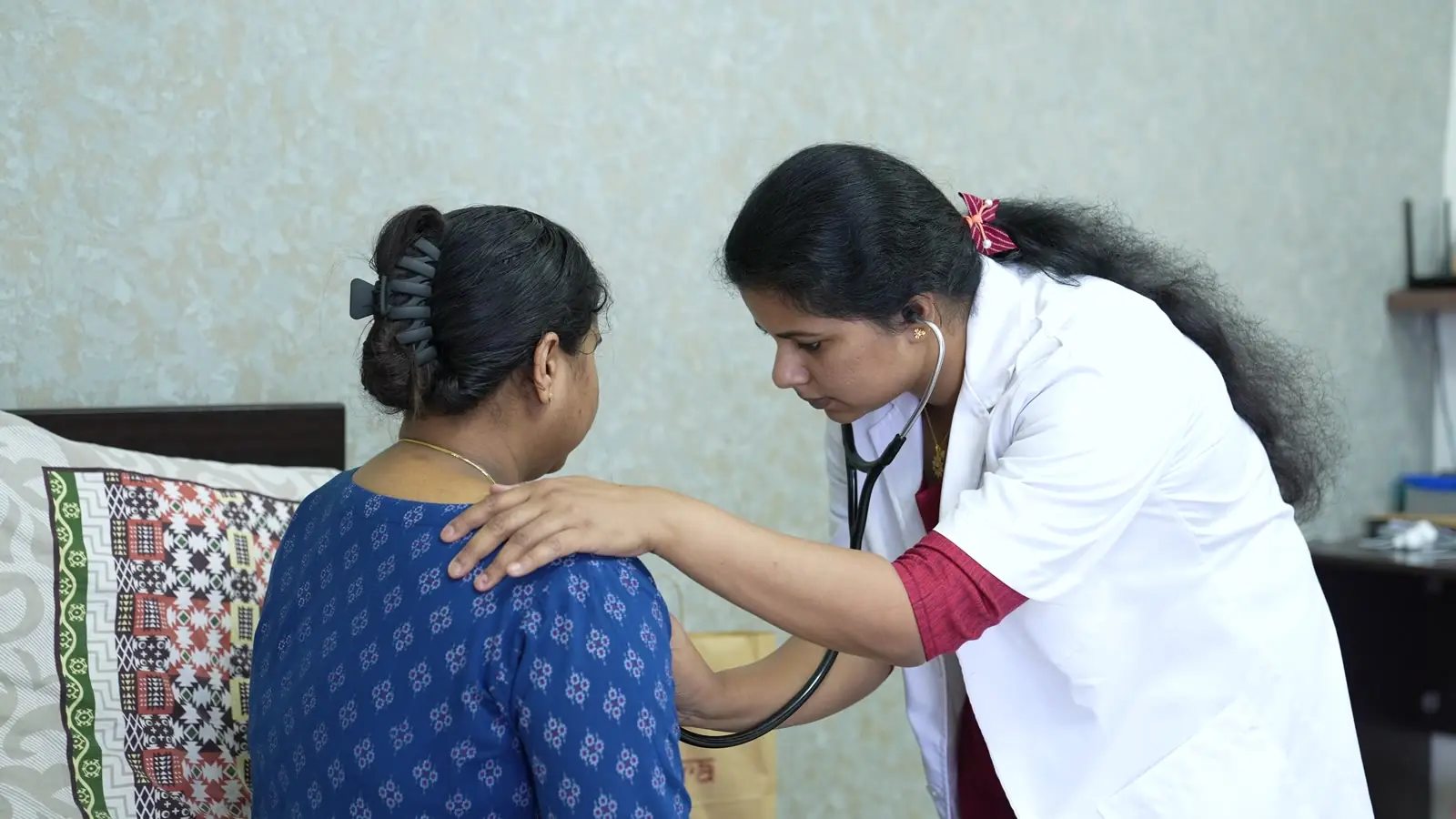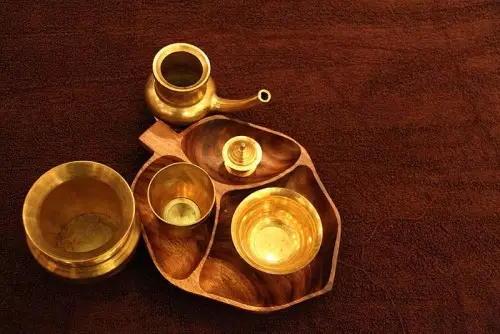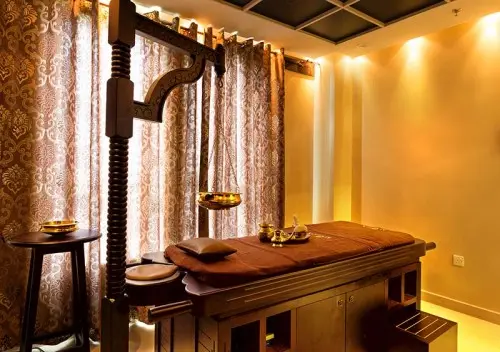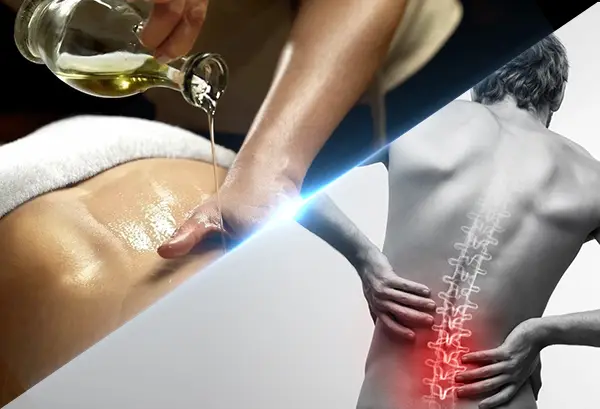
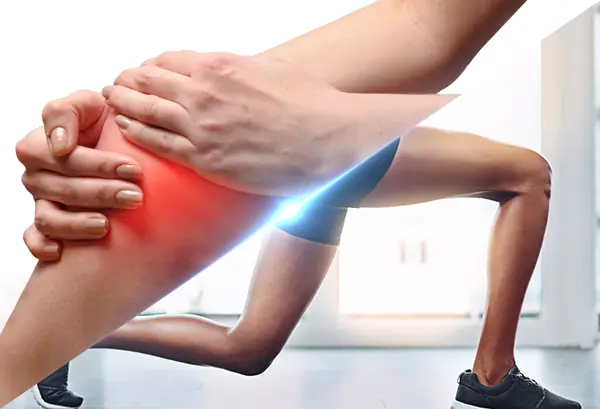
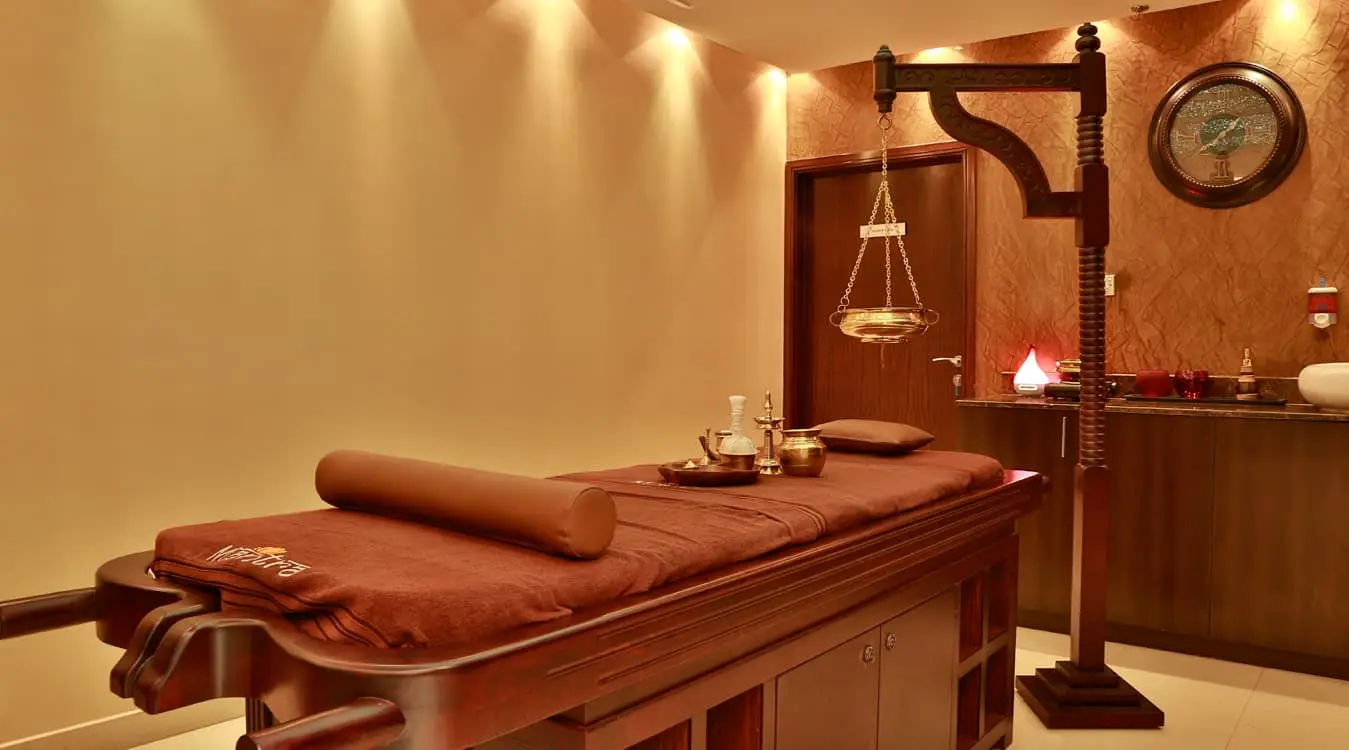
Ayurvedic arthritis treatment at Mantra depends on the type of arthritis. For wear-related joint pain such as knee osteoarthritis, the focus is on nourishing the joint with oil therapies. For inflammatory joint pain, the doctor first works on digestion and inflammation. Plans may include Elakizhi, Pizhichil, Lepam, Upanaham and herbal medicine.
Common signs we treat
Two very different kinds of joint pain
Ayurveda separates joint problems into broad types, and the treatment for each is different.
- Sandhigata Vata (wear-related): similar to osteoarthritis. The joint becomes dry and worn, with pain on movement, cracking and stiffness, most often in the knees, hips and spine.
- Amavata (inflammatory): linked to poor digestion and the build-up of Ama. Joints may be swollen, warm and stiff, often several at once, as in rheumatoid-type arthritis.
Getting this right matters, because oil therapies that help a dry, worn knee are not always suitable for a hot, swollen joint. Our doctor decides the order of treatment after examining you.

Therapies used at Mantra
Elakizhi
Warm bundles of medicinal leaves applied with rhythmic pressure to reduce pain and improve movement.
Pizhichil
A continuous stream of warm medicated oil over the body, used for widespread stiffness and pain.
Lepam and Upanaham
Herbal pastes and warm poultices applied to painful or swollen joints.
Internal medicine
Herbal formulations to support digestion, reduce inflammation and nourish the joints.
Protecting your joints day to day
- Keep a healthy weight to reduce the load on knees and hips.
- Choose low-impact activity such as walking, swimming or cycling.
- Avoid long periods of squatting or sitting cross-legged if it hurts.
- For inflammatory joint pain, avoid heavy, late and cold meals.
See a doctor promptly if
A joint suddenly becomes very swollen, red and hot, especially with fever, or you cannot put weight on it.