


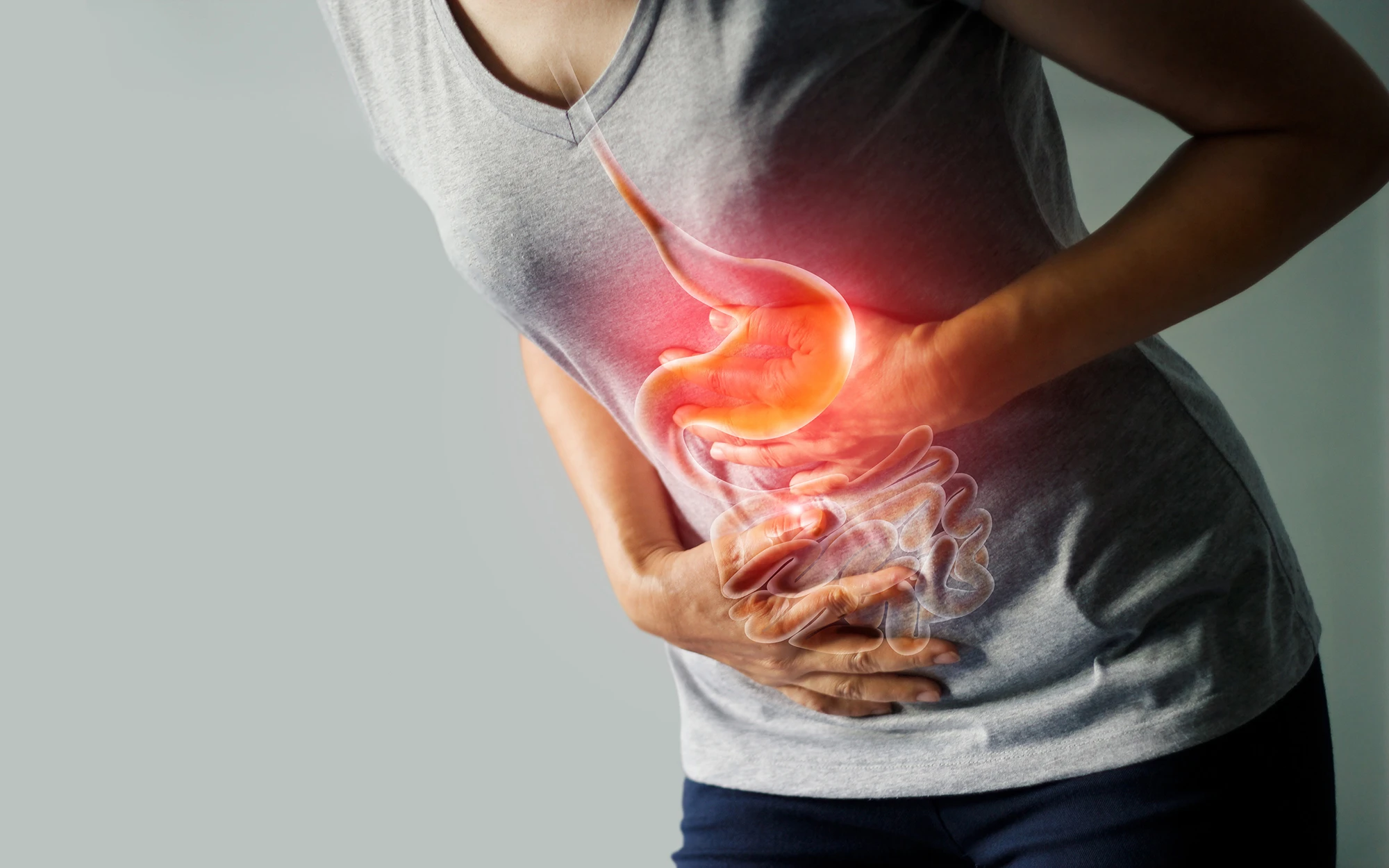
Digestive issues are among the most common health complaints today, ranging from minor discomfort to serious conditions like gastritis, IBS, and ulcers. Modern medicine typically targets symptom control, whereas Ayurveda aims to identify and correct the underlying imbalance causing the condition. If you're looking for a more holistic solution, Ayurvedic gastro-intestinal diseases treatment in Dubai is gaining attention for its deep, individualized healing approach.
Unlike conventional treatments that generalize care, Ayurveda identifies imbalances in your body and mind that affect digestion. It doesn’t treat everyone the same way. Instead, it looks at the root causes behind your symptoms, which could include improper diet, lifestyle habits, emotional stress, or even seasonal changes.
In Ayurvedic science, Agni is seen as the vital force behind digestion, helping the body process food, take in nourishment, and eliminate waste effectively. When Agni is weakened or imbalanced due to poor dietary choices, stress, or irregular routines, toxins (Ama) accumulate in the digestive tract. This leads to the development of various gastrointestinal diseases over time.
When Kapha is out of balance, it can lead to slow digestion, a feeling of heaviness, and occasional nausea after meals.
One of the key strengths of Ayurveda lies in its diagnostic process. An experienced Ayurvedic practitioner doesn’t rely only on machines or lab reports. Instead, they use a combination of traditional tools and observational methods.
The assessment often includes:
This thorough evaluation helps the practitioner determine the exact cause behind your digestive issue, rather than just addressing the discomfort.
Once the root cause is identified, a personalized treatment plan is developed. Treatment often involves a tailored mix of nutrition changes, natural herbs, cleansing procedures, and daily routine modifications. The goal is to cleanse the digestive system, strengthen the Agni, and restore the body's natural balance.
Diet is the first line of treatment in Ayurveda. Foods are selected based on your dosha imbalance and digestive strength. Foods that are overly spicy, greasy, or heavily processed are generally restricted in an Ayurvedic diet. Instead, light, warm, and easily digestible meals are encouraged.
To balance Vata, soothing foods such as cooked grains and warm broths are recommended. For Pitta, calming choices like cucumbers and leafy bitter vegetables help cool the system. Kapha benefits from lighter grains and spices like ginger and black pepper.
Ayurvedic herbs such as Triphala, Amla, Haritaki, Licorice, and Aloe Vera are commonly prescribed. These help soothe inflammation, improve bowel movements, reduce acidity, and strengthen gut function.
Triphala, in particular, is a powerful formula used for detoxification and bowel regulation. It gently supports elimination without causing dependency.
For long-standing or chronic gastrointestinal problems, detoxification may be necessary. Panchakarma is Ayurveda’s intensive detox program that eliminates deep-rooted toxins from the body. It includes therapies like Virechana (purgation), Basti (medicated enemas), and herbal oil massages.
These treatments clear the GI tract, improve nutrient absorption, and restore healthy function to the digestive system.
Simple changes such as eating at regular times, avoiding cold water, and not eating late at night can significantly improve digestion. Ayurveda also emphasizes mindful eating—chewing food properly, eating in a calm environment, and avoiding distractions like phones or TV during meals.
Stress is a major factor in digestive issues. Ayurvedic treatment often incorporates stress-relief practices like meditation, pranayama (breathing techniques), and gentle yoga, which support gut health by calming the nervous system.
Conventional treatments often rely on antacids, antibiotics, or laxatives. While these may offer temporary relief, they don’t always address underlying imbalances. Ayurvedic treatment is not just about suppressing symptoms; it is about restoring your body’s natural ability to digest and heal itself.
When done under expert guidance, Ayurveda offers long-lasting results. It works gradually, but effectively, with minimal to no side effects. Most importantly, it treats every person uniquely, taking into account physical constitution, emotional state, and lifestyle.
Digestive issues may seem small at first but can lead to serious complications if not addressed properly. Choosing a treatment system that focuses on root causes and not just symptoms is a wise long-term investment in your health. For those seeking authentic Ayurvedic gastro-intestinal diseases treatment in Dubai, finding a trustworthy, experienced practitioner is essential.
Mantraayurveda offers personalized care that combines deep Ayurvedic knowledge with modern understanding. Their expert team, including the Best Ayurvedic Doctor in Dubai, provides targeted therapies designed to correct imbalances and restore digestive wellness. As a trusted Ayurvedic Clinic and Treatment Centre, Mantraayurveda is dedicated to helping patients recover naturally, safely, and effectively.
If you're ready to take a natural and comprehensive approach to your digestive health, Ayurveda may offer the solution you've been looking for.
1. What digestive issues does Ayurveda treat?
Ayurveda treats acidity, bloating, IBS, constipation, gastritis, and poor digestion by addressing root imbalances.
2. How fast will I see results?
Relief may begin within days, but lasting results for chronic issues can take a few weeks of consistent care.
3. Can I take Ayurvedic and modern medicine together?
Yes, but always consult your Ayurvedic doctor to avoid any interactions.
4. How is Ayurvedic treatment different?
Ayurveda targets the root cause, not just symptoms, using natural methods like diet, herbs, and detox.
5. Why choose Mantraayurveda?
Mantraayurveda offers expert, personalized care by the Best Ayurvedic Doctor in Dubai in a trusted clinic setting.
Mantra Ayurveda Clinic FZ-LLC is one of the pioneering health institutions located in Dubai Healthcare City,Oud Metha.Mantra started operations in the year 2012...Read More

