


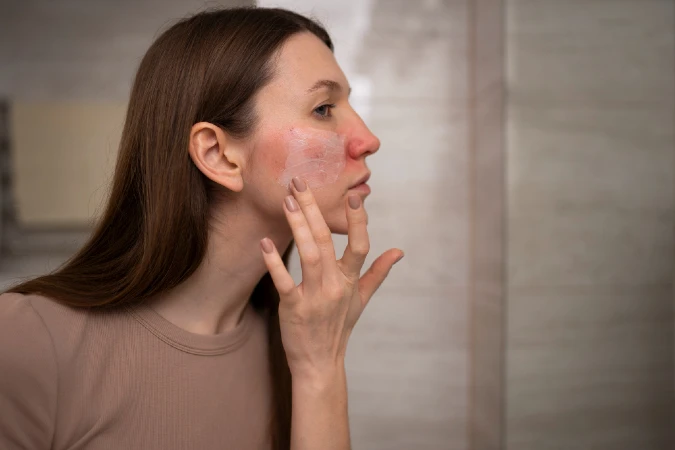
Dry skin is one of the most common skin concerns affecting people of all ages. It can leave your skin feeling rough, tight, flaky, or even itchy, making everyday activities uncomfortable. While occasional dryness is normal, persistent dry skin often points to underlying environmental, lifestyle, or health-related factors.
In Dubai, the combination of hot weather, air-conditioned indoor spaces, low humidity, and frequent sun exposure can make skin lose moisture faster than expected. Many residents notice their skin becoming drier even with a regular skincare routine.
If you've ever wondered, "Why is my skin so dry?", understanding the root causes is the first step toward healthier, well-hydrated skin. This guide explains the causes of dry skin, its symptoms, effective treatments, natural remedies, and practical ways to prevent dryness throughout the year.
Dry skin, medically known as xerosis, occurs when the skin lacks enough moisture and natural oils to maintain its protective barrier. Healthy skin contains water and lipids that help keep it soft, smooth, and resilient. When this barrier weakens, moisture escapes more easily, leading to dryness and irritation.
Dry skin can affect any part of the body, but it is especially common on the:
Face
Hands
Arms
Legs
Feet
Elbows and knees
Some people experience seasonal dryness, while others deal with it year-round due to environmental or medical conditions.
Understanding the common causes of dry skin can help you identify what's triggering your symptoms.
Dubai's high temperatures and dry outdoor air increase water loss from the skin. Spending time outdoors without adequate protection can quickly strip away natural moisture.
Even people with naturally oily skin may experience dehydration after prolonged exposure to heat.
Here's the thing-while air conditioning offers relief from Dubai's heat, it also reduces indoor humidity.
Whether you're working in an office, shopping at the mall, or relaxing at home, continuous exposure to air-conditioned environments can leave your skin feeling dry and tight.
Many residents notice their skin feels comfortable outdoors in the evening but becomes noticeably drier after spending hours indoors.
Hot water removes the skin's protective oils more quickly than lukewarm water.
Long showers, frequent bathing, or using very hot water can weaken the skin barrier and increase moisture loss.
Some soaps contain strong detergents that remove dirt-but also strip away essential skin oils.
Products containing:
Sulfates
Alcohol
Strong fragrances
Antibacterial ingredients
may worsen dryness, especially with frequent use.
As we age, the skin naturally produces less oil and retains less moisture.
This is why dry skin becomes more common after the age of 40 and often requires richer moisturizers and gentler skincare.
Not drinking enough water can contribute to skin dehydration.
Although moisturizers play an important role, overall hydration also supports healthy skin from within.
A diet lacking essential nutrients may contribute to dry skin reasons.
Skin health depends on adequate intake of:
Healthy fats
Vitamin A
Vitamin C
Vitamin D
Vitamin E
Zinc
Balanced nutrition helps maintain the skin barrier and supports natural repair processes.
Certain skin disorders commonly cause persistent dryness, including:
Eczema
Psoriasis
Ichthyosis
Contact dermatitis
These conditions usually require professional diagnosis and targeted treatment.
Some health conditions may contribute to chronic dry skin, including:
Diabetes
Thyroid disorders
Kidney disease
If dryness develops suddenly or persists despite proper skincare, medical evaluation is recommended.
Some prescription medications may reduce skin moisture, including:
Acne treatments
Diuretics
Certain cholesterol medications
Some allergy medications
If you notice increased dryness after starting a new medication, consult your healthcare provider.
Recognizing dry skin symptoms early allows you to take action before the condition worsens.
Common signs include:
Tightness after washing
Rough texture
Flaking
Peeling skin
Fine cracks
Itching
Redness
Ashy appearance
Increased sensitivity
Painful cracks in severe cases
Symptoms may become more noticeable during Dubai's hotter months or after spending extended periods in air-conditioned environments.
Many people ask, "Why is my skin so dry even after using moisturizer?"
Several factors may be responsible:
Using the wrong moisturizer
Applying moisturizer too late after washing
Damaged skin barrier
Frequent cleansing
Underlying skin conditions
Low indoor humidity
Excessive exfoliation
Applying moisturizer immediately after bathing helps lock in existing moisture more effectively.
Effective dry skin treatment focuses on restoring the skin barrier and preventing further moisture loss.
Treatment may include:
Choose fragrance-free, moisturizing cleansers that preserve natural oils.
Apply moisturizer twice daily, especially after washing your face or showering.
Look for ingredients such as:
Ceramides
Hyaluronic acid
Glycerin
Shea butter
Natural oils
Persistent or severe dryness may require evaluation by qualified skincare professionals to identify underlying causes and recommend personalized treatment.
Small daily habits often make a significant difference:
Shorter showers
Lukewarm water
Wearing sunscreen
Staying hydrated
Avoiding harsh skincare products
Alongside professional care, several dry skin remedies can help improve comfort.
These include:
Applying moisturizer immediately after bathing
Using a humidifier indoors
Drinking enough water
Choosing soft cotton clothing
Avoiding excessive scrubbing
Using fragrance-free skincare products
Protecting skin from excessive sun exposure
Some people also find natural oils like coconut oil or almond oil beneficial for mild dryness, although patch testing is recommended before regular use.
Learning how to prevent dry skin is often easier than treating severe dryness later.
Follow these practical tips:
Consistency is key.
Use moisturizer morning and evening, even when your skin feels normal.
Daily sunscreen helps protect the skin barrier from UV damage and reduces moisture loss.
Exfoliating too frequently can damage the skin's natural protective layer.
Limit exfoliation according to your skin type and use gentle products.
Drinking adequate water supports overall skin health alongside a balanced skincare routine.
Select products labeled:
Fragrance-free
Soap-free
Gentle
Moisturizing
Suitable for sensitive skin
If possible, use a humidifier in air-conditioned rooms to reduce excessive dryness.
Occasional dryness is common, but you should consider professional evaluation if you experience:
Severe itching
Painful skin cracks
Bleeding skin
Signs of infection
Persistent dryness despite moisturizing
Large areas of peeling skin
Frequent eczema flare-ups
Early care can help prevent complications and improve long-term skin health.
According to Ayurveda, dry skin is often associated with an imbalance in Vata Dosha, which governs movement and dryness within the body. When Vata becomes aggravated, the skin may lose its natural moisture, leading to roughness, flakiness, and sensitivity.
Ayurvedic care focuses on supporting the skin through nourishing routines, balanced nutrition, proper hydration, and herbal formulations selected according to an individual's body constitution. Gentle oil massage (Abhyanga), mindful dietary choices, and personalized wellness recommendations may help maintain healthier, more hydrated skin over time.
At Mantra Ayurveda, experienced Ayurvedic practitioners provide personalized consultations to understand the underlying factors contributing to dry skin and recommend holistic care plans tailored to individual needs.
What causes dry skin?
Common causes of dry skin include hot weather, low humidity, air conditioning, aging, harsh soaps, dehydration, certain medical conditions, nutritional deficiencies, and skin disorders like eczema.
Why is my skin so dry in Dubai?
Dubai's hot climate, intense sun exposure, and continuous use of air conditioning reduce skin moisture, making dryness more common throughout the year.
What are the symptoms of dry skin?
Dry skin symptoms include tightness, itching, flaking, rough texture, redness, peeling, fine cracks, and increased skin sensitivity.
What is the best dry skin treatment?
The best dry skin treatment usually includes gentle cleansing, daily moisturizing with barrier-repair ingredients, proper hydration, sun protection, and professional evaluation if symptoms persist.
How can I prevent dry skin?
You can prevent dry skin by moisturizing regularly, avoiding hot showers, using gentle skincare products, drinking enough water, protecting your skin from the sun, and maintaining healthy indoor humidity.
Mantra Ayurveda Clinic FZ-LLC is one of the pioneering health institutions located in Dubai Healthcare City,Oud Metha.Mantra started operations in the year 2012...Read More

