


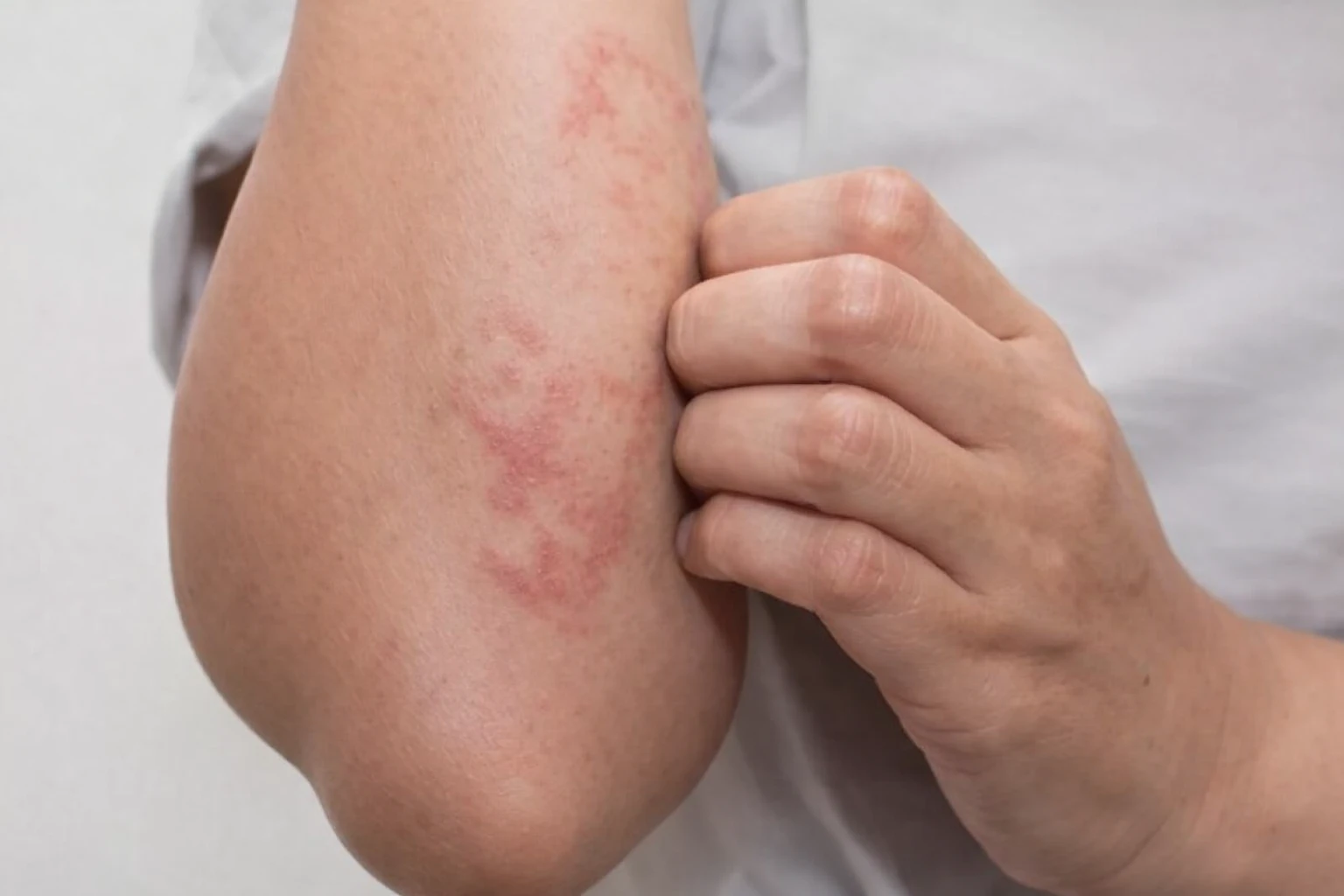
Lichen planus is a chronic inflammatory condition that affects the skin, scalp, nails, and mucous membranes. It often appears as purplish, itchy, flat-topped bumps on the skin or white patches inside the mouth. While modern medicine focuses largely on symptom management, many individuals today are turning toward Ayurvedic treatment and lichen planus solutions for deeper, long-term healing.
Ayurveda does not treat lichen planus as just a skin disorder. It views it as an internal imbalance, primarily linked to aggravated Pitta and Vata doshas, along with impurities in the blood. This root-cause approach is what makes Ayurveda a preferred choice for those seeking sustainable relief.
In Ayurveda, skin diseases are broadly categorized under “Kushtha Roga.” Lichen planus is often associated with imbalances in the following:
When these elements are disturbed, toxins accumulate in the body, leading to visible skin manifestations.
Instead of suppressing symptoms, ayurvedic treatment lichen planus focuses on detoxification, dosha balance, and strengthening the body’s natural healing mechanisms.
Ayurveda identifies several lifestyle and dietary factors that contribute to the development of lichen planus:
By addressing these root causes, an experienced ayurvedic centre can design a personalized treatment plan that goes beyond surface-level relief.
Ayurvedic treatment is structured and individualized. It involves a combination of internal medicines, external applications, and lifestyle modifications.
Panchakarma plays a central role in cleansing the body. Depending on the condition, therapies may include the following:
These therapies help eliminate toxins that trigger inflammation and skin irritation.
Herbal formulations are prescribed to purify the blood and restore dosha balance.
Commonly used herbs include:
These are usually prescribed in carefully measured combinations by an ayurvedic centre based on individual constitution.
Topical treatments help soothe itching and reduce visible symptoms.
These may include:
Unlike chemical-based creams, these solutions work gently without long-term side effects.
Diet is a crucial part of ayurvedic treatment of lichen planus. Without correcting dietary habits, long-term recovery is difficult.
Recommended practices:
A structured routine supports faster healing and prevents recurrence.
Choosing Ayurvedic treatment for lichen planus offers several advantages:
When guided by a qualified Ayurvedic center, patients often experience gradual but lasting improvement.
Ayurvedic healing is not instant, but it is sustainable. The duration depends on:
Typically, noticeable improvements can be seen within a few weeks, while complete healing may take a few months.
You should consider consulting a professional if:
A qualified Ayurvedic center can assess your condition and recommend a customized Ayurvedic treatment plan suited to your body type.
Lichen planus can be frustrating, especially when treatments only offer temporary relief. Ayurveda provides a different path by addressing the internal imbalances that cause the condition. With the right Ayurvedic treatment, guided by a trusted Ayurvedic center, it is possible to achieve not just symptom control but true healing.
Consistency, patience, and a disciplined lifestyle are key. When these elements come together, Ayurveda can deliver results that go beyond skin-deep recovery.
Ayurveda focuses on long-term healing by addressing root causes. While results vary, many patients experience significant and lasting improvement.
Yes, when prescribed by a qualified practitioner, ayurvedic treatment is generally safe and free from harsh side effects.
Diet plays a major role but works best when combined with herbal medication and detox therapies.
No, lichen planus is not contagious.
Yes, avoiding spicy foods, alcohol, and stress is usually recommended for better results.
Yes, Ayurveda offers specific treatments for oral lichen planus, focusing on internal healing and soothing therapies.
Look for certified practitioners, patient reviews, and personalized consultation approaches.
Mantra Ayurveda Clinic FZ-LLC is one of the pioneering health institutions located in Dubai Healthcare City,Oud Metha.Mantra started operations in the year 2012...Read More

