Virechanam is a planned, doctor-supervised Panchakarma procedure in which herbal medicine is given to induce controlled bowel movements, after several days of preparation. It is not a quick cleanse. It needs a consultation, preparation with internal and external oiling, a supervised procedure day and a gradual return to normal food. Some people should not have it at all.
Many people ask about Panchakarma when they want a structured reset. Virechanam is one of the classical Panchakarma procedures and it appears in Mantra's treatment plans for some skin concerns, alongside Lepam and diet advice. Because it acts on the digestive tract and asks a lot of the body for a day or two, it deserves a clear explanation before anyone books it.
What is Virechanam, in plain terms?
Virechanam (also written Virechana) is a therapeutic purgation. The doctor gives a herbal preparation on a planned morning, which leads to a series of bowel movements over the following hours. In Ayurvedic thinking it is used to clear excess Pitta from the body. It is always one part of a wider plan, never a stand-alone product.
What happens in the preparation days?
The National Institute of Ayurveda's published protocol (NIA Panchakarma protocols) sets out the stages clearly. Its document is written for children, so adult doses and timings differ, but the sequence is the same in principle:
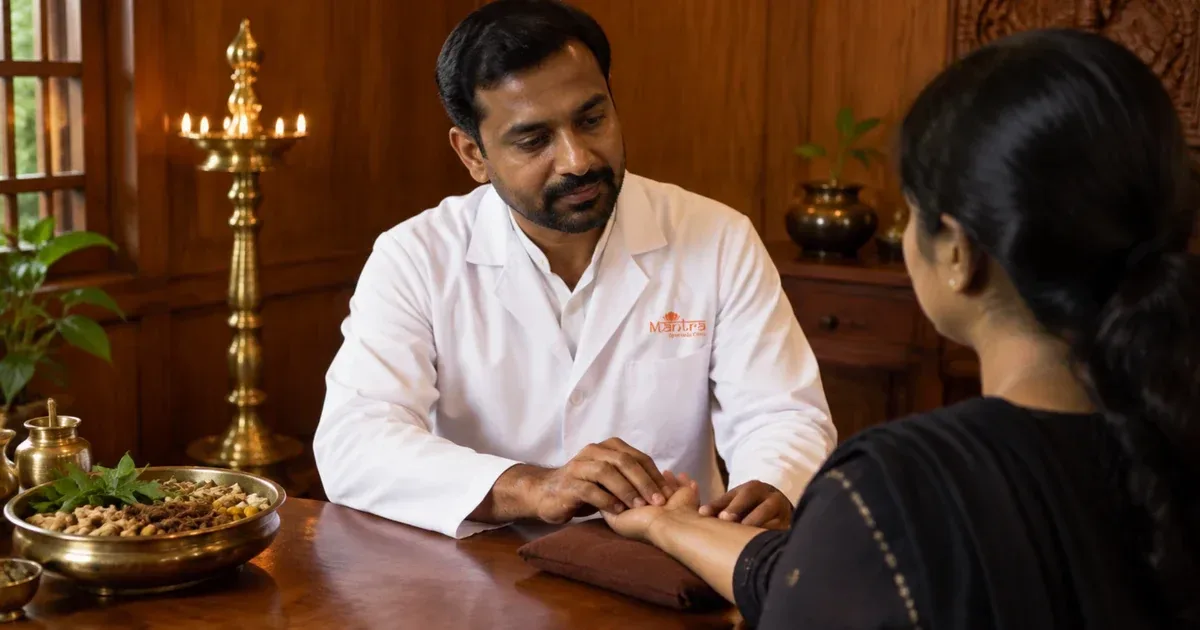
- Screening. The doctor checks if you are suitable, explains the process and takes consent.
- Digestive preparation. Herbal digestives for a few days, until the doctor sees signs that digestion is ready.
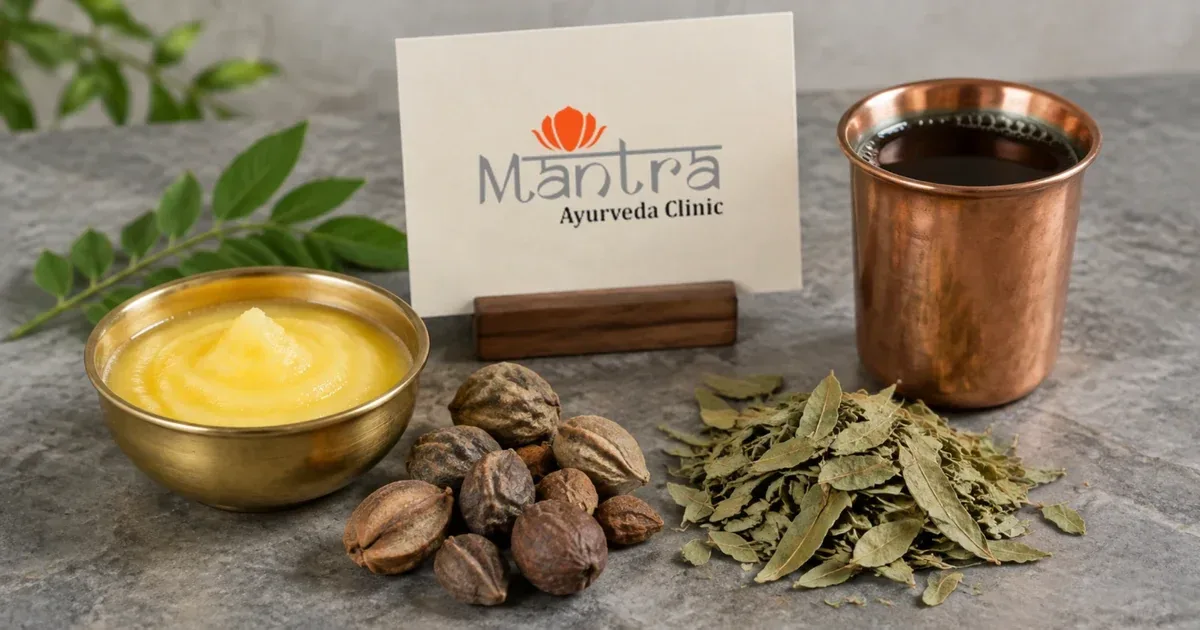
- Internal oleation (Snehapana). Medicated ghee or oil taken in rising amounts each morning for a few days, under supervision.
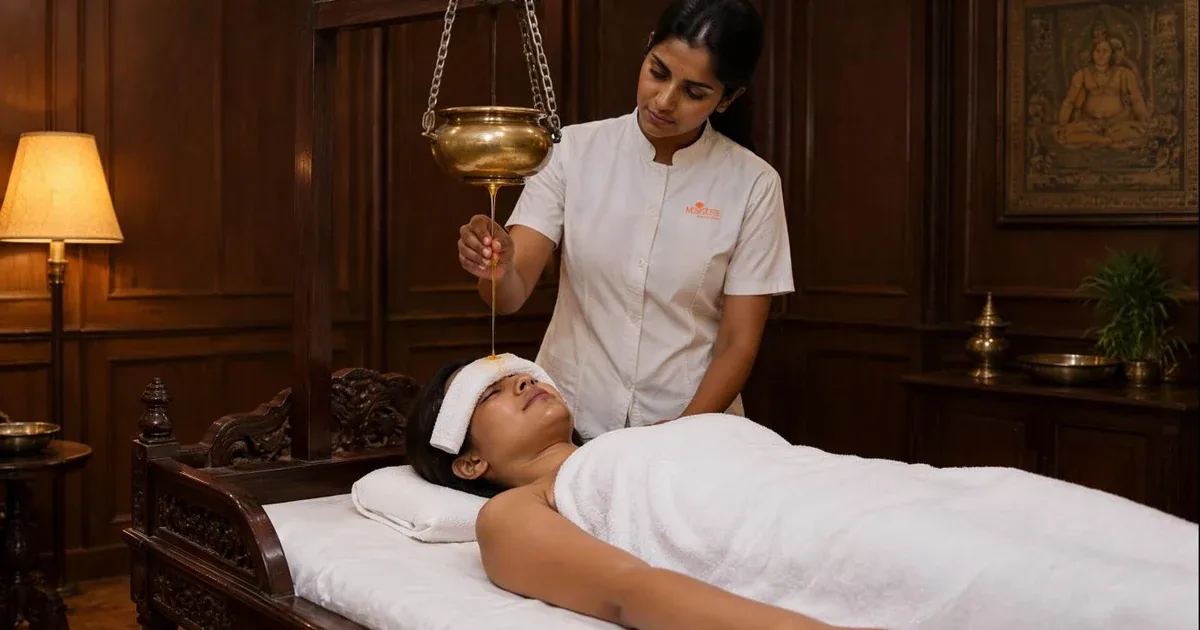
- Rest with external therapy. A short break of about two to three days with whole-body Abhyangam and fomentation, and light, easily digested meals.
- Procedure day. The Virechanam medicine is given in the morning, with sips of warm water through the day.
- Diet afterwards. A stepwise return to normal food, starting with thin rice gruel and moving to fuller meals over several days.
The NIA protocol describes a classical course of about 15 days including these stages. Your own plan may be shorter or longer depending on the doctor's assessment.
What is the procedure day like?
Expect to stay close to a bathroom for several hours. The NIA document gives a range of roughly two to six hours from the medicine to the last bowel movement, depending on the person's digestion. Most people feel tired by the afternoon. The clinic team monitors how you feel, how many movements you have and if you are drinking enough. Plan the day off work and arrange for someone to drive you home if the doctor advises it.
Who should not have Virechanam?
This is the most important part. The NIA protocol lists contraindications that include:
- Marked weight loss, weakness or malnutrition.
- Acute fever and acute diarrhoea.
- Inflammatory bowel conditions such as ulcerative colitis, irritable bowel syndrome and hernia.
- Heart disease.
- Bleeding conditions, bleeding from the lower bowel, haemorrhoids that bleed, and severe anaemia.
- Tuberculosis of the lungs or intestines.
In everyday practice doctors also avoid it during pregnancy and breastfeeding, in the elderly and frail, and in people with kidney disease, electrolyte problems or those taking medicines that affect fluid and salt balance. Be completely open about your health and medicines at the consultation.
Quick comparison: Virechanam and everyday "detox" ideas
| Point | Virechanam | Home "detox" products |
|---|---|---|
| Who decides | A doctor, after consultation and screening | Usually self-selected |
| Preparation | Several days of digestive and oil preparation | Usually none |
| Monitoring | Supervised on the procedure day | None |
| Aftercare | Structured diet over several days | Rarely addressed |
The difference is not the idea of cleansing. It is the screening, supervision and aftercare that make a procedure like this appropriate for some people and inappropriate for others.
Questions to ask before you agree to it
- Why is Virechanam suggested for my concern, and what are the alternatives?
- How many preparation days will I need, and what do I eat during them?
- Which day should I keep completely clear, and for how long afterwards should I rest?
- Do any of my current medicines need to be discussed with my own doctor first?
- Who do I call if I feel unwell in the evening after the procedure?
A clear answer to each of these is a good sign that the plan has been thought through for you rather than offered as a package.
How should you look after yourself afterwards?
- Follow the diet steps the doctor gives you, even if you feel hungry.
- Rest. Avoid the gym, long drives and late nights for a few days.
- Avoid cold drinks, heavy, fried or spicy food until the doctor says otherwise.
- Keep sipping warm water through the day unless the doctor has given you a different fluid plan.
- Call the clinic if you feel dizzy, faint, have ongoing loose motions the next day, notice blood in the stool or cannot keep fluids down.
When should you see a medical doctor?
Seek urgent medical care if, at any point, you feel faint or confused, have severe abdominal pain, see blood in the stool, have a racing heartbeat, or cannot drink or pass urine normally. Outside of a planned procedure, persistent diarrhoea, unexplained weight loss or blood in the stool always need medical investigation first.
For a wider view of the programme Virechanam belongs to, read our article on how Panchakarma fits into skin care plans, and see the clinic's pages on psoriasis and digestive concerns.
Frequently asked questions
What is Virechanam in Ayurveda?
Virechanam is a classical Panchakarma procedure in which a herbal preparation is given to induce controlled bowel movements, after several days of preparation, under a doctor's supervision.
How long does a Virechanam course take?
The National Institute of Ayurveda describes a classical course of about 15 days including preparation, the procedure day and the diet afterwards. Your doctor sets your own plan.
Who should not have Virechanam?
People with marked weakness, acute fever or diarrhoea, inflammatory bowel conditions, heart disease, bleeding conditions or severe anaemia, and in general during pregnancy. The doctor screens for these first.
Can I do Virechanam at home?
No. It needs screening, preparation, supervision on the procedure day and structured aftercare at a clinic.
Thinking about Virechanam?
Start with a consultation. Call 04 443 4933, WhatsApp +971 56 376 2546 or book on the appointment page. Mantra Ayurveda Clinic is a licensed clinic in Dubai Healthcare City, open every day from 9 AM to 10 PM.
Reviewed by the Mantra Ayurveda Clinic medical team. This article is general information and does not replace a consultation with a qualified doctor.
This article is for general information and does not replace a consultation with a doctor. Results differ from person to person, and any treatment can have side effects; please speak to a doctor before starting.