
In the UAE winter, Ayurveda recommends warm, freshly cooked meals, regular oil therapy for dry skin and joints, steady sleep times and outdoor exercise in the mornings, while easing off cold drinks and heavy late dinners.
Why the season matters in Ayurveda
Ayurveda has a full system for seasonal living called Ritucharya. The idea is simple: as the weather changes, the balance of the doshas in the body shifts, so our food and habits should shift too. In the UAE, the move from long, humid summers to cool, dry winter evenings is a real change for the body, even if it feels mild compared with colder countries.
Cool, dry and windy weather increases Vata. That is why many people notice dry skin, cracked lips, stiff joints, lighter sleep and more aches between November and February.
Food: warm, nourishing and regular
- Choose warm, freshly cooked meals: soups, lentils, stews and cooked vegetables.
- Include healthy fats such as ghee or sesame oil in moderation.
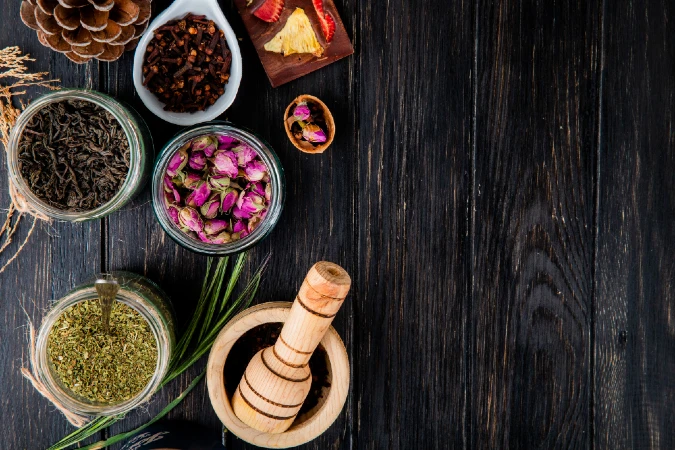
- Use warming spices like ginger, cumin, cinnamon and black pepper.
- Digestion is naturally stronger in winter, so regular, satisfying meals are fine. Avoid skipping breakfast.
- Reduce iced drinks, cold desserts and raw salads late in the day.
Skin and joints: oil is your friend
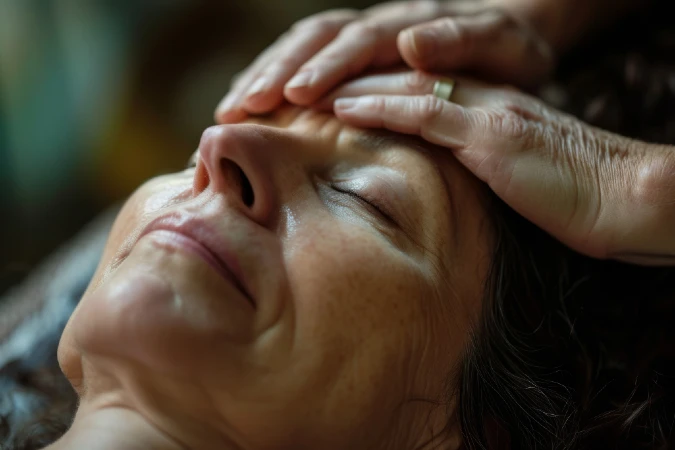
Self oil application with warm oil, called Abhyanga, is a simple and valuable winter habit. Warm a little sesame oil (or an oil your doctor recommends), oil therapy it into the body for 10 minutes, then take a warm shower. It helps dry skin and stiff joints, and many people find it calming before sleep.
Movement: make the most of the mornings
Winter is the best time of year in the UAE for outdoor exercise. Brisk walks, cycling, swimming and yoga are all good choices. Ayurveda suggests exercising in the morning, to about half of your capacity, rather than exhausting yourself.
Sleep and routine
- Go to bed by around 10:30 PM and wake at a regular time.
- Keep the bedroom comfortably warm and avoid a cold AC draught on the neck.
- A cup of warm milk with a pinch of turmeric or nutmeg is a traditional evening drink for good sleep, if dairy suits you.
Watch for these winter imbalances
Coughs and colds, sinus congestion, joint pain and flare-ups of dry skin conditions such as eczema and psoriasis are more common in this season. If they keep returning, a consultation can help you understand why. Our pages on sinusitis, joint pain and psoriasis explain how we treat them.
A simple winter day
- Wake, drink a glass of warm water.
- Oil therapy, then a warm shower.
- Warm breakfast, such as oats or upma with nuts.
- Main meal at lunchtime.
- Light, early dinner and a short walk.
- Screens off and in bed by 10:30 PM.
Frequently asked questions
Which oil is best for winter self oil application?
Is winter a good time for Panchakarma?
Why do my joints ache more in winter?
This article is for general information and does not replace a consultation with a doctor. Results differ from person to person, and any treatment can have side effects; please speak to a doctor before starting.