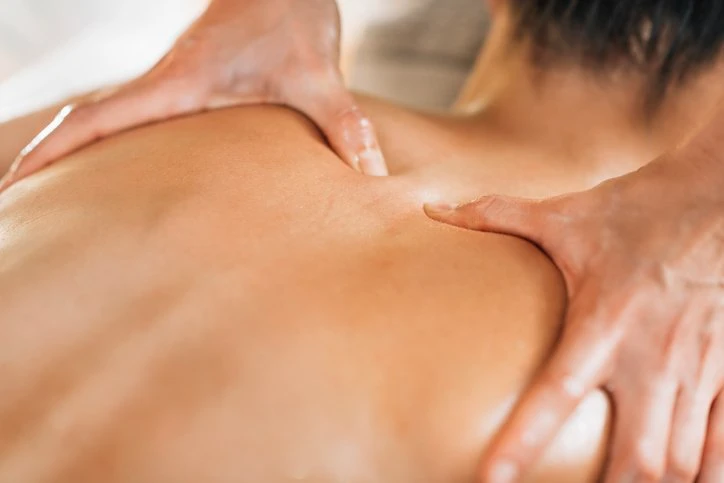

Abhyanga is used as a preoperative procedure of Panch Karma, the five detox therapies of Ayurveda. It is also used as part of a management protocol for different disease conditions. Pure sesame oil or herbal oils were used for…
Ayurvedic Therapy Benefits
Abhyanga is used as a preoperative procedure of Panch Karma, the five detox therapies of Ayurveda. It is also used as part of a management protocol for different disease conditions. Pure sesame oil or herbal oils were used for the Abhyanga. Abhyanga benefits are clearly demonstrated.
1. Reduction in Stress, Heart Rate and Blood Pressure
A pilot study investigating the effects of Ayurvedic Abhyanga therapy on subjective stress experience showed high statistically and clinically significant reductions in subjective stress experience. A consequent analysis of physiologic data indicated likewise reductions in heart rate (HR). A blood pressure (BP) reduction was not recorded for the total sample but was found in the pre-hypertensive subgroup.
Findings indicate that Abhyanga therapy is promising in reducing subjective stress experience. It may also be beneficial in lowering HR in all and BP in pre-hypertensive subjects.1
2. Improvement In Head Holding In Children With Cerebral Palsy
A study involving use of an herbal oil for Abhyanga and anointing the bragma of children with cerebral palsy showed significant improvement in head holding and standing motor milestone. In the study, dhanwanthara thaila (oil) was utilized during shiropichu therapy, the placing of an oil soaked cotton pad on the head.2
3. Reduction Of Burning Sensations In Diabetic Neuropathy Patients
In this study it was found that after applying oil to the feet with an herbal oil for 20 minutes daily for 14 days, there was a significant decrease in the symptom of burning sensation in patients having diabetic neuropathy. Although 80% of them had reoccurrence of burning on the 60th day of follow up, the severity was very less compared to the first day.3
4. Reduction In Heal Cracking, Roughness And Dryness
A significant reduction in the cracking of heals and roughness of the feet was found in subjects who received foot Abhyanga with sesame oil for one month. This clinical study showed highly significant results in group A (those who received foot therapy) compared to group C (the control group). The study focused on the management of cracks in the skin of feet during winter season. Significant improvement was seen in group A with reduced dryness of the feet, less dryness associated with itching and less dryness associated with changes in the skin texture of the feet (98% reduction). Group A also experienced less cracks, associated pain and less cracks of the feet in the middle foot and the forefoot. The length of the the cracks was reduced by 90%. The number of cracks on the feet reduced by 75%.4
5. Weight Gain In Low Birth Weight Babies
A study published in an international journal of science and research estimated the effect of oil therapy on physiological and behavioral parameters among low birth weight babies. The study concluded that oil therapy among low birth weight babies may have a potential to contribute greater weight gain and better adaptation to external stimuli. It also assumed that oil therapy is safe and easy to administer which can enhance growth and development of the baby in the form of better weight gain, stable physiological parameters and improvement in behavior of the baby.5
6. Reduction In Systolic Blood Pressure, Diastolic Blood Pressure, Pulse Rate and Respiratory Rate
A study for ascertaining the effect of head therapy (shiro Abhyanga) with an herbal oil on 10 normal healthy volunteers found that there was significant reduction in their systolic blood pressure, diastolic blood pressure, pulse rate and respiratory rate.6
7. Reduction In Knee Pain In Osteoarthritis Patients
In this study it was found that the oil therapy of the knee joint with warm sesame oil in patients of osteoarthritis (sandhi Vata) of the knee showed significant reduction in pain score.7
8. Improvement In Hemiplegia
A study was undertaken to assess the efficacy of the combined therapies of Mahamasha taila (herbal oil), Abhyanga, shashtik shali pinda sweda (bolus oil therapy using rice and milk) and mustadi rajyapan basti (herbal decoction used in enema therapy) in the management of hemiplegia, paralysis of one vertical half of the body. This combined approach showed statistically significant improvement after treatment in all parameters except in the ability to hold and lift things. It was concluded that to improve the power of wrist and fingers a longer duration of treatment is needed.8
9. Improvement In Muscular Dystrophy
A study published in International Journal of Current Advanced Research showed improvement in children with muscular dystrophy. The children received Sarvanga Abhyanga (full body Abhyanga) with sesame oil and sarvanga pind swedan (bolus oil therapy) for six months along with an oral herbal formula. In addition, an herbal decoction enema was administered after the full body therapy and bolus oil therapy each time for six months. Observation showed that the total CPK level (Creatine Phosphokinase, a marker of muscle function) had started decreasing after only one month of treatment. Clinical improvement of symptoms was observed in terms of decreased rigidity of calf muscles, ability to walk and climb and performing daily routine improved to some extent.9
In addition to these studies which originated in India, there have been many studies from around the world on therapy in general, which are worth mentioning. These studies only support the benefits of Abhyanga as mentioned in the Ayurvedic texts.
10. Lower Levels Of Stress And Depressed Mood In Depressed Pregnant Women
In this study eighty-four depressed pregnant women were recruited during the second trimester of pregnancy and randomly assigned to a therapy group, a progressive muscle relaxation group or a control group that received standard prenatal care alone. These groups were compared to each other and to a non-depressed group at the end of pregnancy.
The therapy group participants received two 20 minute therapy sessions by their significant others each week for 16 weeks of pregnancy, starting during the second trimester. The relaxation group provided themselves with progressive muscle relaxation sessions on the same time schedule. Immediately after the therapy sessions on the first and last days of the 16-week period the women reported lower levels of stress and depressed mood and less leg and back pain. By the end of the study the oil therapy group had higher dopamine and serotonin levels and lower levels of cortisol and norepinephrine. These changes may have contributed to the reduced fetal activity and the better neonatal outcome for the oil therapy group (i.e. Lesser incidence of prematurity and low birth weight), as well as their better performance on the Brazelton Neonatal Behavior Assessment. The data suggests that depressed pregnant women and their offspring can benefit from therapy.10
11. Migraine Frequency Reduced
In another study on migraine patients, it was found that compared to control participants, oil therapy participants exhibited greater improvements in migraine frequency and sleep quality during the intervention weeks and the three follow-up weeks. The findings provided preliminary support for the utility of therapy as a non-pharmacologic treatment for individuals suffering from migraines.11
12. Reduction In Menopausal Sleep Disturbances
A study showed that therapeutic therapy decreased the severity of subjective sleep disturbance related to menopause. First, there was a decrease in insomnia and stress-depressive symptoms; the treatment also suppressed other menopausal symptoms. Second, PSG findings revealed a decrease in REM latency and increased stages three and four. Based on the results it was suggested that therapeutic therapy is beneficial for improving subjective sleep quality in postmenopausal women, as well as for alleviating symptoms of low mood and stress.12
13. Reduction Of Inflammation In Exercise-Induced Muscle Damage
A study published in Science Translational Medicine states that therapy attenuates inflammatory signaling after exercise-induced muscle damage when administered to skeletal muscles that have been acutely damaged through exercise. The therapy seemed to work through reducing inflammation and promoting mitochondrial biogenesis.
14. Relief Of Chronic Back Pain
A comparison of the effects of two types of oil therapy and the usual care of chronic low back pain showed that therapy may be effective for treatment of chronic back pain, with benefits lasting at least 6 months. No clinically meaningful difference between relaxation and structural oil therapy was observed in terms of relieving disability or symptoms.14
What is oil therapy good for?
The following document from the University of Maryland Medical Center sums up the benefits of Ayurvedic therapy.15
“In general, researchers believe oil therapy supports healing, boosts energy, reduces recovery time after an injury, eases pain, and enhances relaxation, mood, and well being. It is useful for many musculoskeletal problems, such as low back pain, osteoarthritis, fibromyalgia, and sprains and strains. Oil Therapy may also relieve low mood in people with chronic fatigue syndrome, reduce pain and improve quality of life, ease chronic constipation (when the technique is performed in the abdominal area), decrease swelling, alleviate sleep disorders, and improve self image. In the workplace, oil therapy has been shown to melt away stress and enhance mental alertness. One study found that deep tissue therapy reduced blood pressure levels (an average reduction of 10.4 mm Hg in systolic pressure and a diastolic pressure reduction of 5.3 mm Hg). Other studies show that oil therapy may have immediate beneficial effects on pain and mood among patients with advanced cancer.
Clinical studies show that oil therapy relieves chronic back pain more effectively than other treatments, including acupuncture, and in many cases, costs less than other treatments. Mothers and newborns also appear to benefit from oil therapy. Mothers trained to oil therapy their infants often feel less depressed and have a better emotional bond with their babies. Newborns who receive oil therapy from their mothers also tend to cry less, and are more active, alert, and sociable. Premature babies who receive therapy have been shown to gain weight faster than premies who do not receive this type of therapy. Infants who receive oil therapy regularly may also sleep better, be less gassy or colicky, and have better body awareness, as well as more regular digestion.
This article is for general information and does not replace a consultation with a doctor. Results differ from person to person, and any treatment can have side effects; please speak to a doctor before starting.